

Avoiding Insect Bites and Stings This SoCal Summer
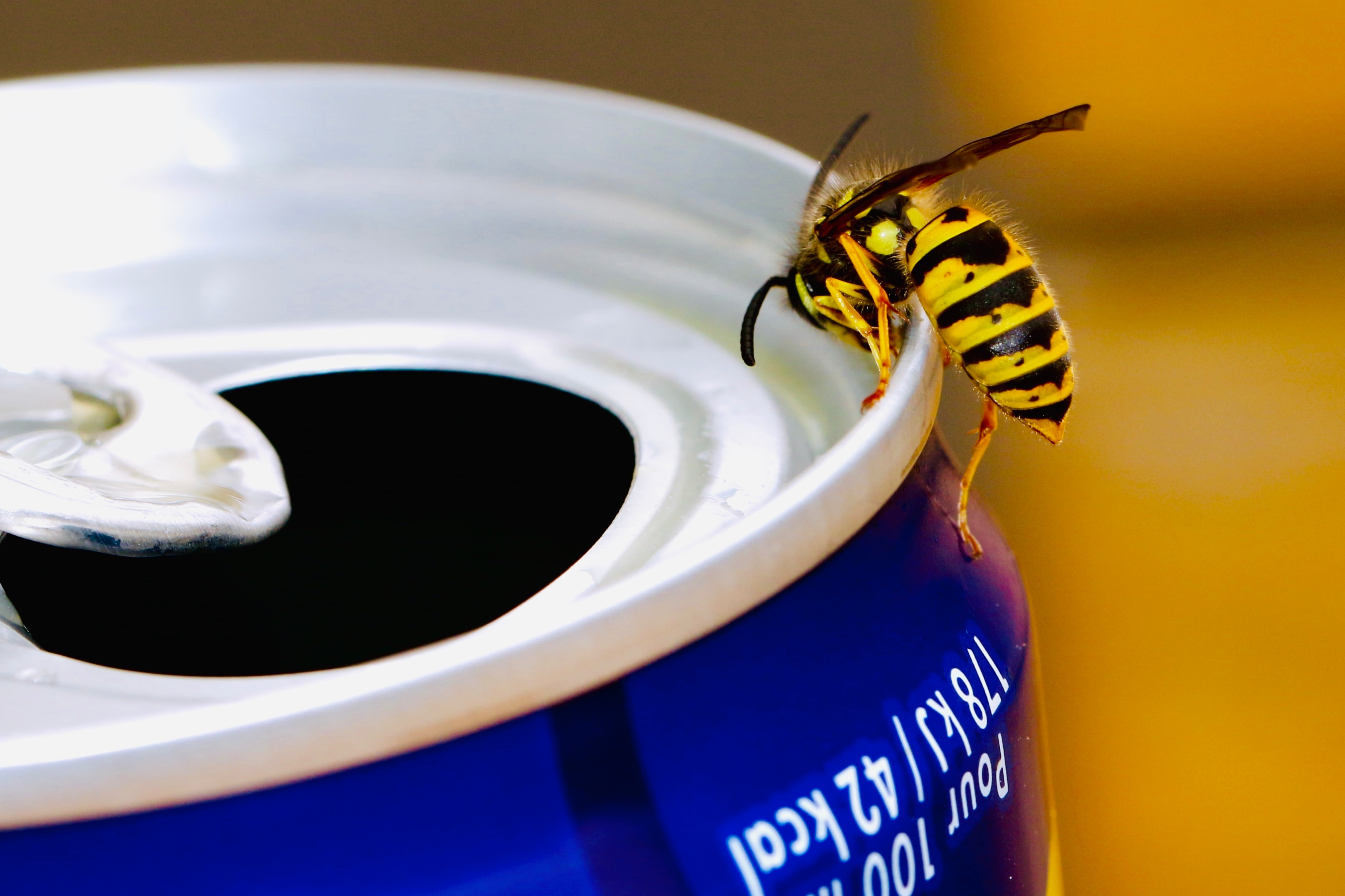
Summer is the season of beautiful blue skies, great weather, and an abundance of outdoor activities with family and friends. There are pool parties, barbecues, and vacations which allow everyone to escape their regular routines. But, alas, summer is also the season of stings and insect bites. Bugs and bees are mating, swarming, gathering pollen, and more. To make sure you get to have fun experiencing all the joys of summer, here are the ways you can avoid the bee stings and bug bites that often hamper the enjoyment! Be Attentive on Where They Live Sometimes these creatures build their home out in open where they are easily seen, but ...
Bees, Wasps, and Hornets, Oh My – Know the Differences and When to Act
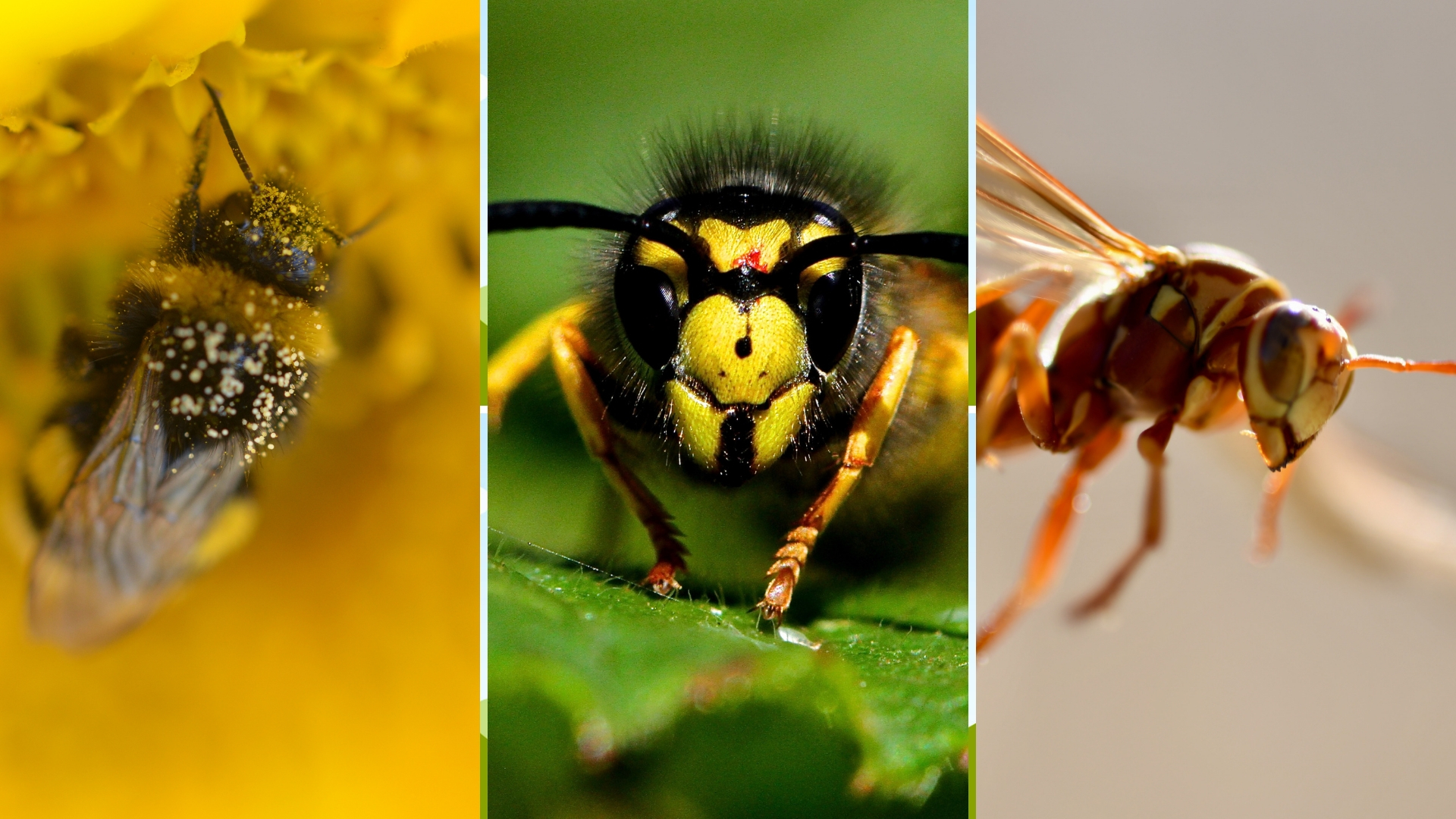
A Bee? A Wasp? or a Hornet? While nearly everyone can identify the honey bee, because the species is so frequently in the news, most people don’t know the difference between stinging insects – bees, wasps, hornets, and other stinging insects. Since spring is here and summer is fast approaching, the stinging insects of Southern California will be out in force invading picnics, barbecues, sporting events, and the fun outdoor activities that come with the season. With that in mind, the Preferred Pest Control team has created this guide to help you identify stinging insects in and around your lawn and help you know when and how to act should ...
Wasps & Bees can be scary and dangerous!
Wasps & Bees can be scary and dangerous in Orange County or anywhere for that matter! If you have a dangerous infestation of Wasps or Bees the first thing you want to do is move yourself, your pets etc… away from the nest ASAP and give us a call @ 714-916-0173. So, whats the difference between Wasps and Bees you say? Wasps are slender with smooth bodies and skinny legs while bees are mostly hairy with robust, flat legs for gathering pollen. Sometimes you can see big bunches of pollen on the back of the bees legs. Pollen is important to humans because it pollinates our plants (aka: Food). Lets talk ...